6 Apps That Help Businesses Stop Following Up on Unpaid Invoices
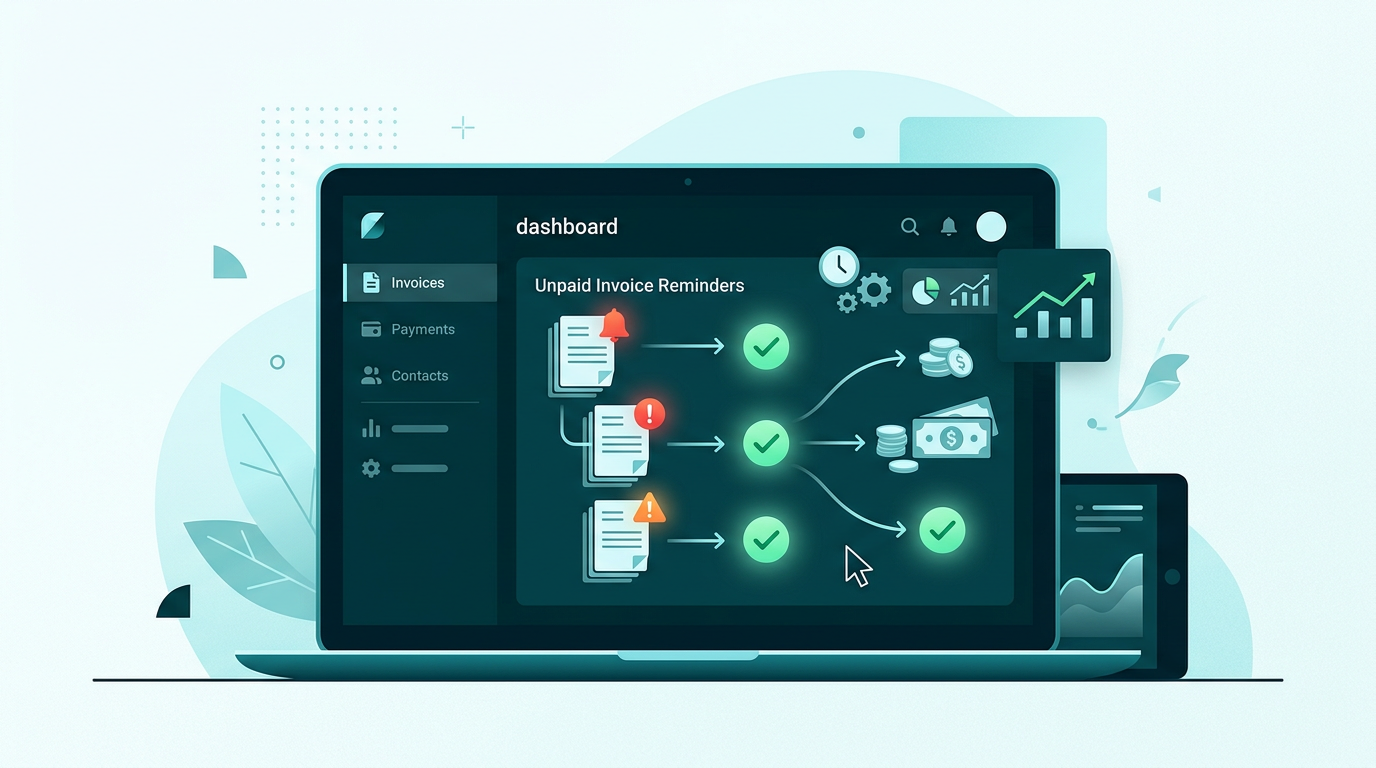
Following up on unpaid invoices can be one of the most frustrating parts of running a small business. The work has already been completed, yet time that could go toward serving clients or finding new opportunities is instead spent requesting payment that should have arrived on schedule. It can also create tension with clients, disrupt cash flow, and turn into a recurring problem each time another invoice becomes due.
In many cases, repeated invoice chasing points to gaps in the payment process rather than a problem with individual clients. With the right tools working together, businesses can automate reminders, reduce disputes, and make payments more dependable. Manual follow-up then becomes an occasional necessity instead of a normal part of the billing cycle. The following apps can help create that type of system.
1. Sage: Accounting and Invoice Management Software
Sage provides the foundation for the invoicing workflow while also maintaining the financial record once payments are received. Businesses can quickly prepare professional invoices, apply their branding, and send them directly through the platform. From the time an invoice is issued, Sage monitors its status and can automatically send payment reminders both before and after the due date.
Once the customer pays, Sage can match the payment with the appropriate invoice and reflect it in the accounting records. This reduces the amount of manual administration required between issuing an invoice and reconciling the final payment, leaving more time available for revenue-generating work.
Why it matters: Automating payment reminders and reconciliation can help invoices move through the payment process faster without requiring the business owner to continually check balances and contact clients.
2. Otter.ai: Meeting Recording and Transcription Software
Some invoice disagreements begin with different recollections of what was discussed during a client meeting. Otter.ai captures meetings and produces real-time transcripts, creating a searchable written account that can be reviewed later if a client questions an invoice based on a verbal conversation or agreement.
For companies that regularly discuss project requirements, scope changes, client briefs, or additional requests in meetings, a timestamped transcript can provide useful documentation. This helps reduce uncertainty around verbal decisions that might otherwise develop into difficult payment disputes.
Why it matters: Maintaining a written record of client discussions makes it easier to clarify what was agreed and can prevent verbal misunderstandings from becoming complicated invoice disputes.
3. GoCardless: Automated Payment Collection Platform
For recurring customers, one of the most effective ways to reduce invoice follow-up is to avoid relying on the customer to manually initiate each payment. GoCardless uses Direct Debit to collect invoice payments from the client's bank account on the agreed payment date after authorization has been provided.
Businesses with ongoing client relationships, subscriptions, or recurring service contracts can use GoCardless to make scheduled payments automatic. Instead of depending on clients to remember each due date, the agreed amount can be collected as planned, improving cash flow predictability and significantly reducing the need for reminders.
Why it matters: Direct Debit reduces the reliance on customers taking action themselves, which can make timely payment the normal process instead of something that requires repeated follow-up.
4. Feefo: Verified Client Feedback Platform
Customers who are satisfied with the service they receive are generally less likely to delay payment because of concerns about quality or value. Feefo gathers structured reviews from verified customers, giving businesses a consistent way to monitor satisfaction and identify concerns before they develop into billing disagreements.
A strong collection of verified positive feedback can also strengthen a company's reputation. That reputation may help attract customers who place greater value on quality and who are less likely to create unnecessary payment difficulties.
Why it matters: Monitoring client satisfaction can reduce disputes linked to unresolved concerns, while visible verified feedback can help businesses attract customers who are more inclined to pay on time.
5. DocuSign: Digital Contract and Signature Platform
Many payment delays can be traced back to agreements that were incomplete, unclear, or never formally signed. Establishing the project scope, pricing, and payment conditions in a signed agreement before work starts makes the basis of the eventual invoice much clearer and gives both parties a documented reference point.
DocuSign enables businesses to send proposals, contracts, and statements of work electronically so clients can review and sign them from virtually any device. Completed documents are stored for future reference, providing supporting evidence if a disagreement later arises over payment or project terms.
Why it matters: Securing a signed agreement before starting an engagement can reduce the misunderstandings and disputes that often lead to delayed payments and additional invoice follow-up.
6. Pipedrive: Customer Relationship and Sales Pipeline Software
Problems with invoices sometimes begin as soon as they are issued rather than after they become overdue. If the amount, timing, or scope shown on an invoice differs from what the client believes was agreed, payment may be held while the discrepancy is reviewed. Pipedrive keeps records of client communications, proposals, and agreed project details, making it easier to confirm the terms when questions arise.
Pipedrive can also connect with invoicing software so information from an approved proposal can flow directly into an invoice. This reduces the need to manually enter client details and agreed charges again, helping prevent data-entry mistakes that may otherwise trigger billing questions.
Why it matters: Keeping accurate records of client agreements and linking proposals directly with invoicing can reduce payment delays caused by billing questions or manual transcription errors.
Frequently Asked Questions
Which payment terms are suitable for a small business?
In the US, standard payment terms commonly fall between net fifteen and net sixty, while net thirty is the most widely used. Shorter deadlines may support stronger cash flow, although larger organizations with established payment schedules may be less flexible. For substantial projects or new customer relationships, businesses can reduce financial exposure by requesting an upfront deposit and dividing the remaining amount into milestone payments. Whatever arrangement is chosen should appear clearly in the signed agreement and on every invoice.
Can a business legally apply late payment charges?
Yes, as long as the late payment charge is disclosed in the contract or invoice before the work is accepted. These provisions generally establish either a monthly percentage or a fixed fee that becomes applicable when payment is not made by the stated deadline. A business may decide whether enforcing the fee makes sense depending on the circumstances and client relationship, but including the clause communicates that payment deadlines are expected to be followed.
What is the best way to respond when a client challenges an invoice?
A business should reply quickly and professionally, confirm that the concern has been received, and ask the client to explain the specific issue. The signed agreement and any relevant meeting documentation can then be reviewed to establish the basis for the charge. Many legitimate disputes can be settled efficiently when the supporting records are clear. If informal efforts do not resolve the issue, the next step is generally a formal payment demand letter before legal remedies are considered for straightforward unpaid invoices.
Are discounts for early payment worth offering?
Early payment incentives, usually one to two percent when payment is made within seven to ten days, may work well for customers who handle invoices themselves rather than through automated accounts payable systems. Although the discount reduces the amount collected slightly, faster access to cash can justify the cost, particularly when earlier payment lowers or removes financing expenses. Whether this approach makes sense depends on the company's margins and how many invoices would qualify for the discount.
What approach works best for collecting an invoice that is seriously overdue?
A commonly effective sequence begins with automated reminders sent before and after the due date, followed by a direct email or phone call once the payment becomes substantially overdue. If payment still does not arrive, the business can issue a formal written demand identifying the outstanding amount and setting a final deadline. Where necessary, an injonction de payer or small claims court action may then be considered for simple, undisputed debts. Acting early is important because collecting older debts generally becomes more difficult as more time passes.
Please Take A Moment To View Our Sponsors
>>> Simply the Best! <<<